


In today's digital era, touch technology has become an integral part of our daily interactions with a myriad of devices. Two critical components of this technology are touch screens and touch panels. While these terms are often used interchangeably, they encapsulate distinct functionalities and structures. This article delves into the differences between a touch screen and a touch panel, exploring their technical specifications, applications, and future trends.
Understanding Touch Screens and Touch Panels
● What are Touch Screens?
Touch screens are ubiquitous in modern electronic devices, serving as the primary interface for users to interact with digital content. They combine both input and output functionalities, allowing users to navigate and manipulate interfaces with their fingers or a stylus. The touch screen comprises a display, such as LCD, AMOLED, or OLED, layered with a touch-responsive surface that detects user inputs.
● An Overview of Touch Panels
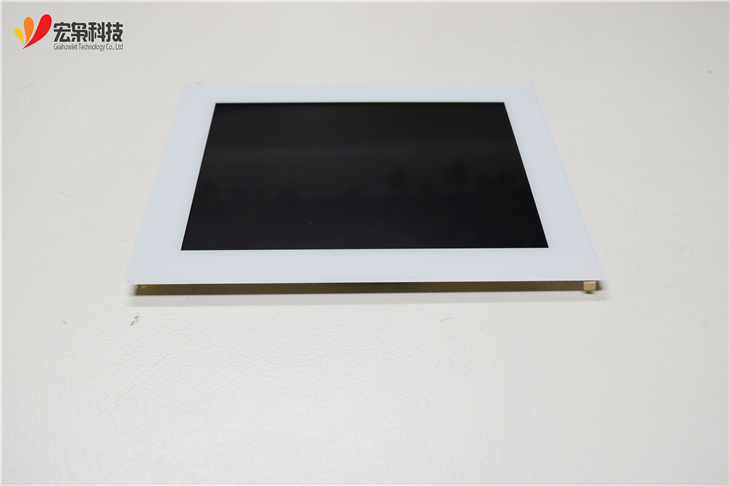
Touch panels, on the other hand, are the sensor parts of touch screens. They detect the presence and location of touch on the surface. While touch screens encompass the entire interface including the display, touch panels specifically refer to the sensing technology used to capture user input. As a standalone component, touch panels can be integrated into other non-display applications, showcasing their versatility.
Technical Differences
● Operational Mechanisms
Touch screens operate through the integration of the touch panel with a visual display. The touch panel, as an input component, translates physical touch into electronic signals, which the system interprets to perform corresponding functions. In contrast, touch panels alone focus solely on detecting touch, without necessarily providing a display output.
● Integration with Devices
A touch screen's functionality is largely dependent on how well the touch panel integrates with the display. Different devices require varying levels of touch sensitivity and accuracy based on their intended use. For devices like smartphones and tablets, seamless integration ensures a fluid user experience. On the flip side, touch panels can be used in applications where visual output is not required, such as in control systems with tactile feedback mechanisms.
Types of Touch Screens
● Resistive vs. Capacitive Touch Screens
Resistive touch screens rely on pressure to detect touch, utilizing two layers that come into contact when pressed. This makes them versatile for use with gloves or styluses. Capacitive touch screens, widely used in consumer electronics, detect touch through changes in electrical fields caused by the conductive nature of the human body. They offer multi-touch capabilities, providing a smoother interface experience.
● Emerging Technologies in Touch Screens
Technological advancements have paved the way for innovative touch screen technologies such as optical and acoustic wave-based systems. These provide enhanced accuracy and durability, expanding the scope of touch screen applications in industries like automotive and healthcare.
Types of Touch Panels
● Glass vs. Film Panels
Touch panels can be made from various materials, including glass and film. Glass touch panels offer superior durability and clarity, making them ideal for high-end devices. Film panels, while more flexible and cost-effective, are often used in applications where weight and cost are critical considerations.
● Integration with Display Types
Touch panels must be compatible with different display technologies, such as TFT LCDs or OLEDs. The choice of panel affects the overall device performance, influencing factors like touch sensitivity and display clarity.
Applications in Consumer Electronics
● Smartphones and Tablets
Touch screens have revolutionized smartphones and tablets, enabling intuitive interfaces for applications ranging from communication to entertainment. The integration of capacitive touch technology allows for precise and responsive user interactions, crucial for gaming and creative applications.
● Laptops and PCs
In personal computing, touch screens provide an alternative to traditional input methods like keyboards and mice. They facilitate direct interaction with software, enhancing productivity in tasks such as design and presentations.
Industrial Applications
● Point-of-Sale Systems
Touch screens are foundational in point-of-sale (POS) systems due to their ease of use and space efficiency. The reliability of touch technology in these systems ensures quick and accurate transactions in retail environments.
● Touch Screens in Automotive Controls
In automobiles, touch screens replace traditional buttons and knobs, offering central control over navigation and infotainment systems. This not only declutters the dashboard but also enhances driver interaction with vehicle technologies.
Pros and Cons
● Durability and Sensitivity
Touch screens with glass panels offer enhanced durability but are more prone to breakage if not laminated with protective coatings. In contrast, film panels, while less robust, are more flexible and cheaper to replace.
● Cost Implications
The manufacturing costs of touch screens and touch panels vary based on materials and technology. Wholesale Large Touch Screen Panel suppliers and manufacturers like those from a large touch screen panel factory negotiate these costs, impacting end-user pricing.
● Maintenance and Longevity
Maintenance of touch screens involves protecting them from physical damage and environmental factors like moisture and dust. Large touch screen panel suppliers provide guidelines to maximize lifespan, especially in rigorous industrial applications.
Ergonomic Considerations
● User Comfort and Accessibility
The accessibility of touch screens depends on the ergonomics of their design. For wide acceptance, manufacturers must consider factors like screen size, touch sensitivity, and feedback responsiveness, ensuring that even those with limited dexterity can use them comfortably.
● Adapting to Special Needs
Touch technology must also adapt to special needs, integrating features like haptic feedback or voice command capabilities to aid users with visual or physical impairments.
Future Trends
● Innovations in Touch Sensitivity
Future developments aim to enhance touch sensitivity, allowing devices to detect varying pressure levels. Such advancements could revolutionize creative applications, providing artists with more control over their digital canvases.
● Integration with Augmented Reality
As augmented reality (AR) gains traction, touch screens and panels will play a crucial role. They will provide the tactile feedback necessary for interacting with virtual environments, creating a seamless blend of digital and physical worlds.
Conclusion
● The Evolving Role of Touch Interfaces
Touch screens and panels continue to evolve, shaping the way we interact with technology. From their inception to their current state, these interfaces have enhanced convenience, accessibility, and functionality across various sectors.
Incorporating the latest innovations, manufacturers of large touch screen panels must keep pace with market demands, ensuring that their products remain at the forefront of technology. Wholesale large touch screen panel providers facilitate this by offering cost-effective solutions for diverse applications.
---
● About Hangzhou Grahowlet
Hangzhou Grahowlet, a division of Hangzhou Hongxiao Technology, specializes in providing capacitive touch screen modules and TFT LCD displays for various industries. Committed to meeting the diverse needs of global customers, they offer a range of product structures and technical support programs, featuring technologies from Cypress, Atmel, EETI, FocalTech, and Goodix. Hangzhou Grahowlet delivers high-stability, anti-interference products designed for use in challenging conditions, ensuring first-class quality and professional service in the touch screen industry.

 Privacy settings