


Understanding Capacitive Touchscreens in Modern Devices
In today's technology-driven world, lcd capacitive touchscreens have become an integral part of numerous devices, ranging from smartphones to industrial machinery. These screens rely on the conductive properties of human skin to detect touch, offering a sleek, responsive, and intuitive interface. Their operation hinges on the principle of capacitance, where touching the screen alters the local electrostatic field, enabling the device to register an input.
The Evolution and Ubiquity of Capacitive Touchscreens
Capacitive screens first revolutionized the technology landscape by offering a more reliable alternative to resistive touchscreens, which require pressure. Over the years, technological advancements have enhanced their sensitivity and accuracy, making them a popular choice for manufacturers aiming to deliver cutting-edge consumer and industrial products.
The Challenge of Using Touchscreens with Gloves
One of the persistent challenges with capacitive touchscreens is their incompatibility with traditional gloves. Since these devices depend on electrical conductivity to function, insulating materials like gloves hinder their ability to recognize touch, presenting a significant hurdle, especially in colder climates or specific work environments.
Why Standard Gloves Fail
Regular gloves are typically composed of materials that do not conduct electricity, such as wool or leather. As a result, they disrupt the necessary skin-to-screen contact required for capacitive touchscreens to operate, leading to a lack of response when attempting inputs with gloved hands.
Solutions for Using Touchscreens with Gloves
The market has responded to this issue with a variety of solutions designed to bridge the gap between human touch and glove use. These innovations have made it possible for individuals to interact with their devices without sacrificing comfort or protection from the elements.
Conductive Thread and Stylus Solutions
One of the most straightforward solutions involves sewing conductive thread into glove fingertips, allowing electricity to pass through. Alternatively, using a specialized stylus designed for capacitive screens can circumvent the problem altogether by providing a precise point of contact.
Capacitive Touchscreens vs. Resistive Touchscreens
To better understand the compatibility issue with gloves, it's crucial to compare capacitive and resistive touchscreens. Resistive screens operate by pressure, making them naturally compatible with gloved inputs, but they lack the speed and sensitivity of capacitive screens.
Performance and Durability Comparison
Capacitive touchscreens offer faster response times, better multi-touch capabilities, and superior image clarity, making them a preferred choice for many applications. However, resistive screens can be advantageous in environments where glove use is unavoidable, despite their drawbacks in terms of sensitivity and light transmission.
Innovations in Touchscreen Technology for Glove Use
Manufacturers have been actively developing technologies to expand the usability of capacitive touchscreens with gloves. These advancements focus on enhancing screen sensitivity and incorporating materials that can transmit touch through gloves.
Advanced Screen Technologies
Recent innovations include screens that can sense touch through thicker barriers by increasing the sensitivity of the capacitive sensors. Additionally, coating technologies that enhance conductivity are gaining traction, improving the interaction experience for users wearing gloves.
Practical Tips for Using Standard Gloves on Touchscreens
While technology continues to advance, there are practical tips for using capacitive touchscreens with regular gloves that do not require immediate investment in specialized products.
DIY Solutions for Glove Modification
- Use touch stickers: Apply transparent conductive stickers to glove fingertips to enable interaction with touchscreens.
- Apply conductive paint: A small amount of conductive paint on the fingertips can make standard gloves touchscreen-friendly.
- Adjust touchscreen settings: Some devices allow sensitivity adjustments that may improve recognition of gloved touches.
Industries Benefiting from Touchscreen-Compatible Gloves
Several industries find touchscreen-compatible gloves particularly beneficial, as they combine the utility of capacitive touchscreens with the protective features of gloves required in many professional environments.
Healthcare, Manufacturing, and Outdoor Work
- Healthcare professionals benefit from gloves that maintain sterile environments while allowing device interaction.
- In manufacturing, workers can operate machinery with touchscreen interfaces without removing their protective gloves.
- Outdoor workers, including those in construction and logistics, can efficiently use capacitive devices regardless of weather conditions with appropriate gloves.
Market for Touchscreen-Compatible Gloves
The demand for touchscreen-compatible gloves is on the rise, driven by the increasing reliance on capacitive devices in professional and personal settings. This market expansion presents an opportunity for manufacturers and wholesalers alike.
Industry Growth and Opportunities
The global market for touchscreen-compatible gloves is experiencing significant growth, projected to reach substantial revenue figures in the coming years. This growth is fueled by advancements in material science and consumer demand for multifunctional apparel. Factories specializing in these products are seeing increased orders, creating a competitive landscape focused on innovation and quality.
Benefits of Capacitive Gloved Touchscreen Interaction
The ability to use touchscreens with gloved hands offers numerous advantages, significantly enhancing user convenience and workflow efficiency across various sectors.
Enhanced Efficiency and User Experience
Touchscreen-compatible gloves eliminate the need to remove gloves for device interaction, reducing downtime and increasing productivity. This seamless integration of technology into daily tasks results in a more efficient and satisfying user experience, making it an invaluable asset in fast-paced environments.
Challenges and Considerations for Manufacturers
Manufacturers face several challenges when designing touchscreen-compatible gloves, including balancing conductivity with comfort and durability. These considerations are vital to meeting consumer expectations and ensuring product longevity.
Material Selection and Product Design
Choosing materials that provide optimal conductivity without sacrificing breathability or flexibility is crucial. Additionally, product design must accommodate diverse use cases, from delicate operations in healthcare to rugged use in outdoor environments. Collaboration with material scientists and consumer feedback plays a critical role in developing products that meet these demands.
Hangzhou Grahowlet Provide Solutions
Hangzhou Grahowlet offers advanced solutions for integrating capacitive touchscreens with glove use. By focusing on enhanced touchscreen sensitivity and developing conductive accessories, they cater to diverse industries that require reliable touchscreen interaction with protective gloves. Their dedication to innovation ensures that users can maintain productivity and efficiency without compromising on protection or comfort. By working closely with manufacturers and wholesalers, they deliver tailored solutions that meet the evolving demands of the market. 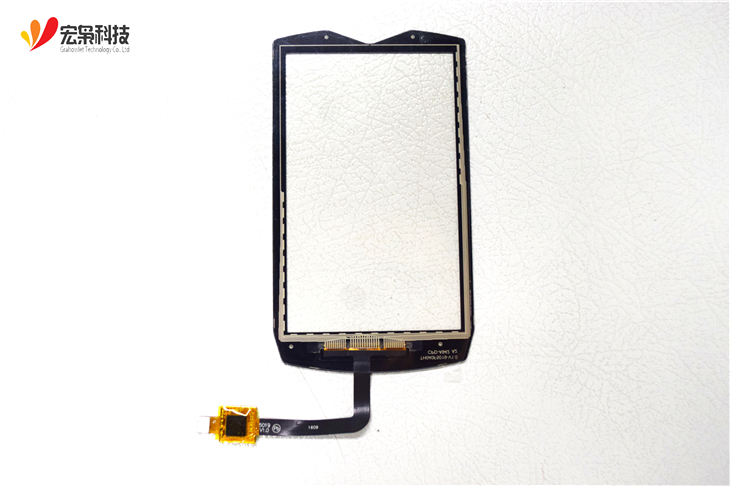

 Privacy settings